Social media marketing has matured over the last decade to become an integral part of the marketing mix for both large and small businesses. It can have a significant and measurable impact on your bottom line and can be a powerful marketing tool.
Whether you are trying to reach a local audience or launching a brand nationwide, social media marketing should be considered as part of your marketing activity. In this guide we will take you through the steps needed to build a social marketing strategy that is appropriate to your audience and achieves your business goals.
WHERE ARE YOU NOW?
The first step in creating a successful and robust social media strategy is to assess your existing social media efforts and that of your competitors.
ASSESSING YOUR SOCIAL PRESENCE
To assess your presence you must look at the size of your existing audience (if you have one) and how engaged that audience is. Start by asking the following questions:
WHICH PLATFORMS ARE YOU ON?
Where do you have a company profile? Facebook, Twitter, Instagram, LinkedIn
HOW MANY FOLLOWERS DO YOU HAVE ON EACH?
Overall, how many people follow your Twitter account, like your Facebook page?
HOW ENGAGED ARE YOUR FOLLOWERS?
Look at your last few posts on each platform and see how many people liked it, commented, retweeted, etc.
power up your business.
HOW ACTIVE ARE YOU?
How frequently do you post on each platform? Rarely, monthly, weekly, daily?
WHAT TYPE OF CONTENT WORKS WELL?
Do you notice that you get more engagement (likes, comments, retweets) on a certain type of post? Do images get a high engagement, or video content? See if you can determine any trends with top performing content.
HOW MANY LEADS HAS THIS ACTIVITY GENERATED?
How many customers you have gained from your social accounts? Has any new business come via social?
ASSESSING YOUR COMPETITORS
Now you must assess how your presence compares to that of your competitors. Have a look at your top three competitors and see how their presence and activity differs to your own. This will help you determine how large a role social media plays in their strategy and will also give you ideas on what platforms you should use and what content seems to resonate with the audience.
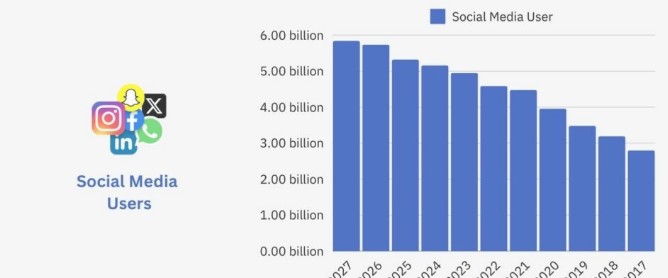
Today, popular social media technologies measure their populations in the high millions to the low billions. Facebook, for instance, captured 1.79 billion monthly active users as of September 2016 (Facebook, 2016). Twitter has 313 million monthly active users who tweet 500 million times per day (Twitter, 2016).
Even newer sites like Instagram, launched in late 2010, boast similar numbers: 500 million monthly active users, more than 95 million images and videos shared per day, and 4.2 billion likes on photos daily (Instagram, 2016).
In the early landscape of social media technologies, most sites served niche markets and struggled to
keep users’ attention. These tools had not yet been incorporated into our society as substantially as they have today.
Social media technologies have become nearly ubiquitous in our culture, with the ability to tweet an online news link or send a funny picture to someone on Facebook simply a click away. Websites embed buttons to share and like information via Facebook, LinkedIn, Twitter, Pinterest and other social media sites; trending hashtags make their way into global news.
People consult for new restaurant suggestions, post pictures of their food and pets to Instagram, curate dream boards for weddings and share household tips and recipes on Pinterest.The Associated Press even circulated a short glossary of Twitter terms in 2013 and offered Twitter chats with guest experts monthly that were then archived using another social media tool. In short, social media can be found
nearly everywhere.